SulforaphaneReport
A lab tested 21 sulforaphane supplements. 11 delivered less than 1 mg.
The label tells you what went into the capsule. See how much sulforaphane each of the 21 delivered, and what to look for if you want the amount the studies used.
Brands have paid for promotional consideration in these articles.
In October 2024, IEH Laboratories tested 21 sulforaphane supplements for one thing: how much sulforaphane a serving delivers.
One product delivered 25 mg. Of the other 20, 11 delivered less than 1 mg.
The testing was commissioned and paid for by the maker of one of the twenty-one products. The full lab reports are published.
If you take a sulforaphane supplement, the label can’t tell you which of those you’re getting. It describes what went into the capsule, and sulforaphane is made later, when 2 ingredients meet inside your body.
The gap between 25 mg and less than 1 mg matters because of what sulforaphane does. It forms when you chew raw broccoli, and it switches on your cells’ own antioxidant defenses.
With 3,000+ published studies, it’s the single most studied molecule in longevity. None of that helps if your capsule doesn’t deliver it.
Why the label can’t tell you
Sulforaphane starts out as 2 separate things.
One is glucoraphanin, a stable compound that does nothing until it’s converted. The other is myrosinase, the enzyme that converts it.
In raw broccoli, chewing brings the two together. In a supplement, they have to meet after you swallow the capsule.
Many labels give a number for glucoraphanin, sometimes listed as sulforaphane glucosinolate. That number tells you how much starting material went in.
How much sulforaphane comes out depends on whether the enzyme is in the capsule, whether it’s still active, and where the capsule opens. The only way to know is to measure it.
How the test was run
The lab tested 20 of the leading sulforaphane supplements, bought at retail the way any customer would buy them, alongside BROQ.
IEH Laboratories is a lab testing company with more than 100 locations around the world. It used HPLC-DAD, a standard method for measuring how much of one specific compound is in a sample.
Every product was measured in its finished form, the thing you swallow, after 2 hours to let the conversion happen.
Where a capsule opens changes the result, so the lab ran 2 kinds of test.
Delayed-release capsules are built to pass through the stomach and open in the intestines. Those were tested in water at pH 7.3, which is like your intestines.
Immediate-release products open in the stomach. Those were tested twice, in water and in acid at pH 1.5, which is like your stomach, and the published figure is the average of the two.
The full lab reports are published, so anyone can read them.
Read the lab reports for all 21 products
The results
Sulforaphane delivered per serving
Show these figures as a table
| Product | Sulforaphane per serving |
|---|---|
| BROQ | 25.0 mg |
| SM Nutrition | 16.0 mg |
| Pure TheraPro Rx OncoProtect ES | 14.0 mg |
| Avmacol Extra Strength | 9.0 mg |
| KOYAH Broccoli Sprout Powder | 9.0 mg |
| XYMOGEN OncoPLEX | 7.1 mg |
| Peak Revival-X | 6.6 mg |
| Designs for Health BroccoProtect | 6.0 mg |
| HumanX Sulforaphane+ | 5.3 mg |
| Mara Labs Broc Elite Plus | 1.9 mg |
| Pure TheraPro Rx Nrf2 Boost | 0.6 mg |
| Bein Doux Sulforaphane Complex | 0.5 mg |
| Carlyle Sulforaphane | 0.3 mg |
| Jarrow Formulas BroccoMax | 0.1 mg |
| AKI Broccoli Sprout Powder | 0.0 mg |
| Thorne Crucera-SGS | 0.0 mg |
| Rosmolo Liposomal | 0.0 mg |
| Dr. Mercola Fermented Sprouts | 0.0 mg |
| NeuroBrocc Gummies | 0.0 mg |
| Osasuna Liposomal | 0.0 mg |
| Standard Process Cruciferous | 0.0 mg |
BROQ delivered 25 mg per serving. More than double the sulforaphane of 18 of the 20 other brands tested.
The 2 exceptions both use delayed-release capsules. SM Nutrition 50mg Sulforaphane delivered 16.0 mg, the strongest result among the 20, and Pure TheraPro Rx OncoProtect ES delivered 14.0 mg.
6 more products delivered between 5 and 9 mg. Avmacol Extra Strength and KOYAH Organic USA Broccoli Sprout Powder led that group at 9.0 mg each, followed by XYMOGEN OncoPLEX Plus Myrosinase, Peak Revival-X, Designs for Health BroccoProtect and HumanX Sulforaphane+.
After that, the numbers drop off. Mara Labs Broc Elite Plus delivered 1.9 mg.
The other 11 delivered less than 1 mg, and 7 of those came in below the smallest amount the lab reports.
That last group includes well-known brands. Thorne Crucera-SGS, Dr. Mercola Fermented Broccoli Sprouts and Standard Process Cruciferous Complete were all below the lab’s reporting limit.
Those capsules may contain plenty of glucoraphanin. In this test, almost none of it became sulforaphane.
What stomach acid does to a capsule
The two-condition test shows where a lot of the sulforaphane goes. Here are the 5 strongest immediate-release products, in water and in acid.
| Product | In water | In acid | Published average |
|---|---|---|---|
| Avmacol Extra Strength | 17.0 mg | 1.0 mg | 9.0 mg |
| KOYAH Organic USA Broccoli Sprout Powder | 16.0 mg | 1.9 mg | 9.0 mg |
| XYMOGEN OncoPLEX Plus Myrosinase | 14.0 mg | 0.2 mg | 7.1 mg |
| Designs for Health BroccoProtect | 11.0 mg | 1.0 mg | 6.0 mg |
| HumanX Sulforaphane+ | 7.3 mg | 3.2 mg | 5.3 mg |
The testing was commissioned and paid for by the maker of one of the twenty-one products.
In water, Avmacol Extra Strength delivered 17.0 mg, more than any other competitor in the test. In acid, the same product delivered 1.0 mg.
These products can make a real amount of sulforaphane. They make very little of it in acid, and the stomach is where an immediate-release capsule opens.
How much do you need?
A milligram figure only means something next to the dose the research used.
The published studies that show significant health benefits of sulforaphane use dosages between 30 mg and 70 mg per day.
BROQ’s 25 mg comes closest in one serving. The directions allow up to 3 servings a day, and 2 puts you at 50 mg, the middle of that range.
At 16.0 mg, the best of the 20 other brands needs 2 servings to reach the low end.
The 11 products under 1 mg would need more than 30 servings a day.
A milligram figure only means something next to the dose the research used.
What separates the top of the table from the bottom
3 things, and you can check all of them before you buy.
The enzyme has to be in the capsule. Without myrosinase, the conversion is left to your gut bacteria, and how well that works varies widely from person to person.
On a label, look for myrosinase, or for an ingredient that carries it, such as mustard seed or horseradish.
The capsule has to open past the stomach. The top 3 products in the test all use delayed-release capsules, and only 6 of the 21 do.
Delayed release isn’t enough by itself, though. 2 of those 6 delivered less than 1 mg.
A lab has to have measured the finished product. A published result is the only way to know how much sulforaphane a serving delivers.
The product at the top of the table
BROQ came out on top, and the reasons match the pattern above. It puts broccoli’s glucoraphanin and a plant source of the enzyme in the same capsule.
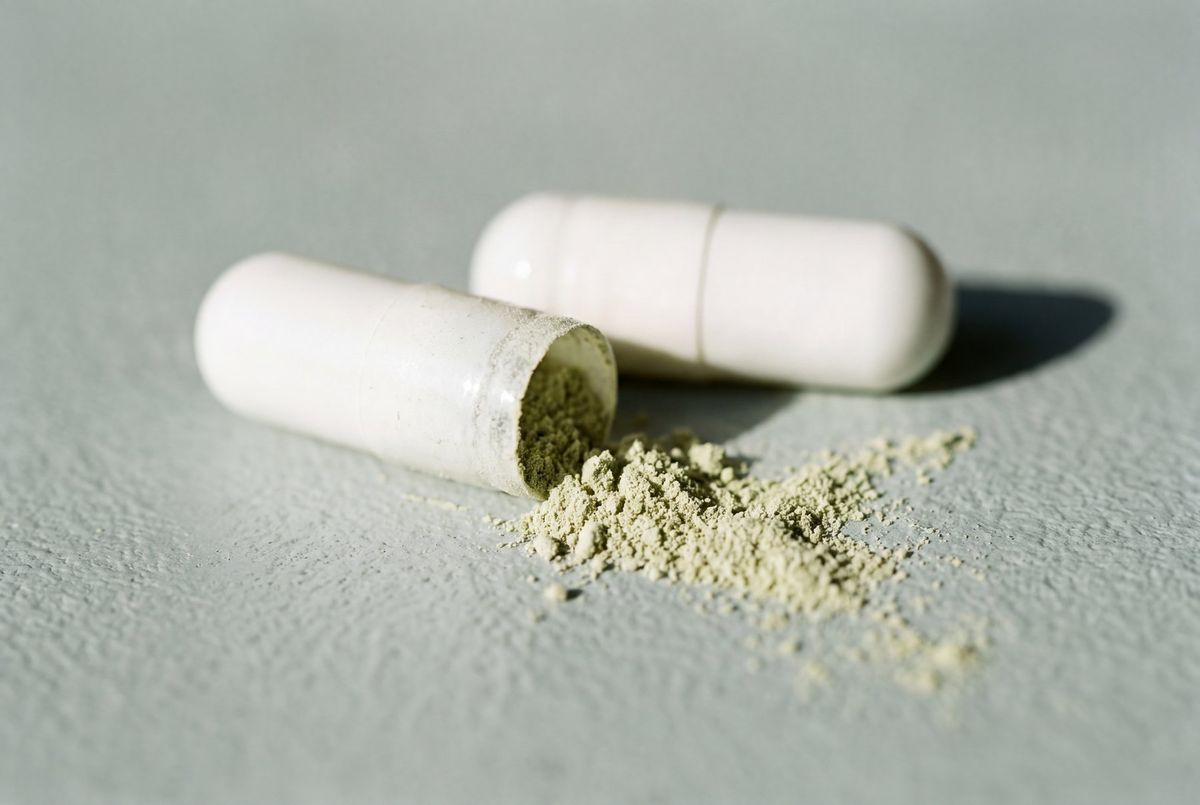
The capsule is delayed-release. It opens in your intestines, not your stomach, so the ingredients aren’t destroyed by stomach acid before your body absorbs them.
Each serving delivers a minimum of 25 mg of sulforaphane, 56% more than the best of the other 20 brands tested.
That’s as much sulforaphane as 3.5 pounds of raw broccoli.
The 2024 testing was commissioned and paid for by the maker of one of the twenty-one products.
The most recent batch was tested by an independent 3rd-party lab, in a report dated September 17, 2026 and published by BROQ’s maker. That one batch measured 34.1 mg per serving against the 25 mg minimum on the label.
BROQ suits anyone who wants to reach the range the studies used in 2 servings a day.
It comes with a 180-day money-back guarantee on monthly subscriptions and one-time purchases, and 30 days for a full refund on prepaid 12-month subscriptions. Either way, there’s nothing to send back.
If you already take a sulforaphane supplement
Look for it in the results. All 21 are listed so you can.
If yours wasn’t tested, look for a published lab result for the finished capsule before you buy it again.
If you’re choosing one for the first time, the list is short. Look for the enzyme in the capsule, delayed release, and a published lab result that gets you to at least 30 mg a day.
Sources
- IEH Laboratories, lab reports on 21 sulforaphane supplements, October 2024. The testing was commissioned and paid for by the maker of one of the twenty-one products.
- An independent 3rd-party lab, report on one batch of BROQ, dated September 17, 2026. Published by BROQ’s maker.
- Read the lab reports for all 21 products
Brands have paid for promotional consideration in these articles.