SulforaphaneExplainer
The most studied molecule in longevity comes from broccoli. Here’s what it does.
Sulforaphane has 3,000+ published studies behind it. It calms chronic inflammation, the biggest driver of aging, and the amount you take matters.
Brands have paid for promotional consideration in these articles.
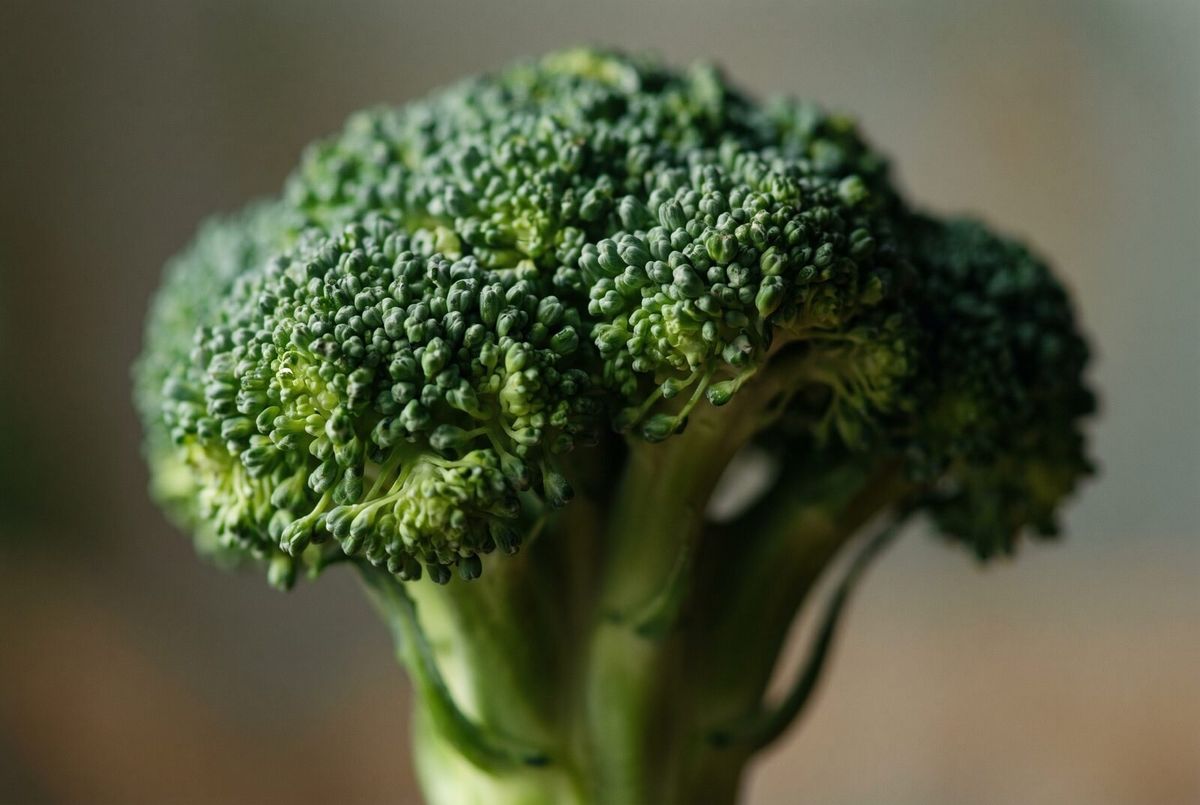
In 1992, researchers at Johns Hopkins isolated a compound from broccoli called sulforaphane.
Today there are 3,000+ published studies on it. That makes it the single most studied molecule in longevity.
It’s worth getting to know, because of what it works on: chronic inflammation, the biggest driver of aging.
The inflammation you can’t feel
Inflammation comes in 2 kinds, and the first one is good for you.
Acute inflammation is a repair signal. You cut yourself, the area goes red and warm, immune cells arrive, the damage gets fixed, and the signal shuts off.
Chronic inflammation is the same process stuck on at a low level, for decades.
It doesn’t hurt, and you don’t notice it.
All that time it wears on your blood vessels, your brain, your joints and your mitochondria, the parts of each cell that make energy.
2 ways to fight it
One way is to take antioxidants. An antioxidant neutralizes some damaging molecules, and then it’s used up.
Chronic inflammation never stops, so you’d need a constant supply.
The other way is to switch on your cells’ own defenses.
Your cells carry a built-in switch called NRF2. When it’s on, it activates roughly 200 genes, many of which make protective and detoxifying enzymes.
Sulforaphane is one of the most potent natural triggers of that switch. From one signal, your cells make their own defenses for hours.
The studies on sulforaphane cover 6 areas of health: longevity, immunity, heart, brain, energy and metabolism. All 6 follow from that one switch.
The other way is to switch on your cells’ own defenses.
Getting a real dose
The amount matters. Published studies showing significant health benefits use 30 mg to 70 mg of sulforaphane per day.
Broccoli makes that hard. Sulforaphane forms when an enzyme in raw broccoli, called myrosinase, converts a compound called glucoraphanin, and heat destroys the enzyme.
That’s why cooking greatly reduces the amount of sulforaphane you get from broccoli.
Even raw, it takes a lot. BROQ, the supplement that delivered the most sulforaphane in the lab test below, delivers 25 mg per serving.
That’s as much sulforaphane as 3.5 pounds of raw broccoli.
Most supplements make it hard too. In October 2024, IEH Laboratories measured the sulforaphane delivered by 21 supplements: 20 leading products bought at retail, plus BROQ.
Of the 20, 11 delivered less than 1 mg per serving. Reaching the low end of the studied range with one of those would take more than 30 servings a day.
The testing was commissioned and paid for by the maker of one of the twenty-one products, and the full lab reports are published.
Read the lab reports for all 21 products
4 things to check before you buy
Each of these takes a minute on a product page.
- Myrosinase in the ingredients, or something that carries it, like mustard seed or horseradish. Without the enzyme, the conversion is left to your gut bacteria, and that varies widely from person to person.
- A delayed-release capsule. It opens in your intestines, not your stomach, so the ingredients aren’t destroyed by stomach acid before your body absorbs them.
- A published lab result for the finished capsule. A test of the raw ingredients tells you less.
- A delivered amount that gets you to 30 to 70 mg a day in a serving or two.
The product that delivered the most
BROQ came out on top of that test.
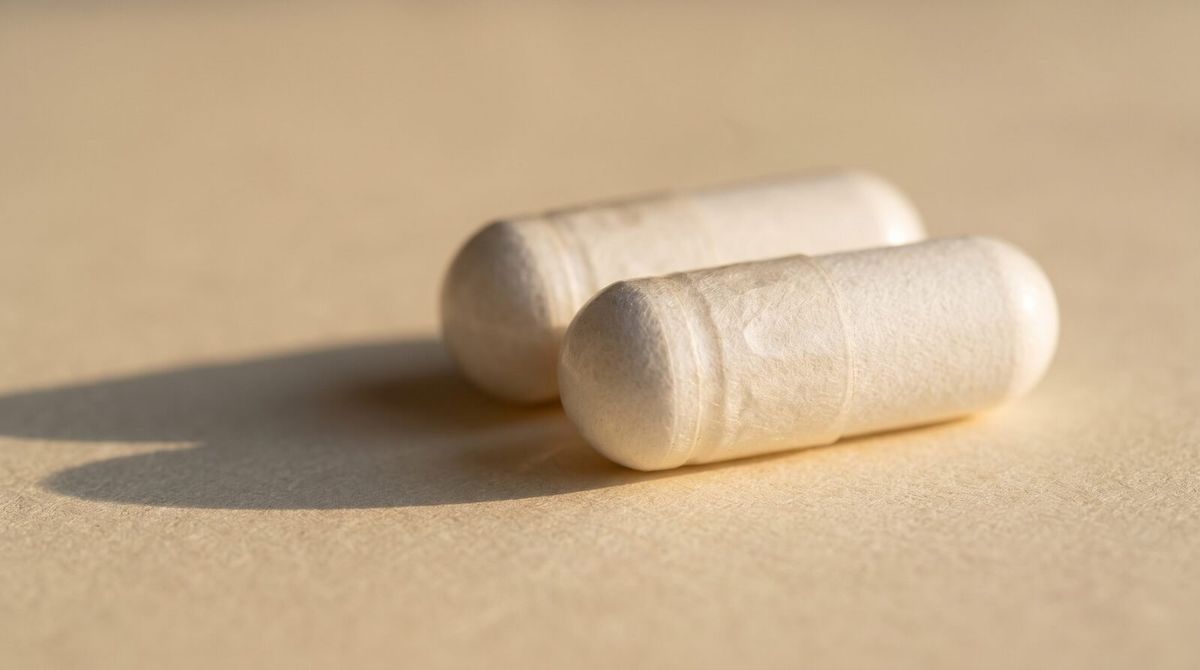
It checks all 4. The enzyme is in the capsule, the capsule is delayed-release, and the lab result for the finished capsule is published.
BROQ delivers a minimum of 25 mg of sulforaphane per serving. More than double the sulforaphane of 18 of the 20 other brands tested.
The testing was commissioned and paid for by the maker of one of the twenty-one products.
2 servings a day puts you at 50 mg, the middle of the range the studies used. The directions allow up to 3.
It’s for anyone who wants the studied amount of sulforaphane without eating pounds of raw broccoli every day.
The short version
Whichever supplement you choose, run it through the 4 checks first.
Sources
- Zhang Y, Talalay P, and colleagues, Proceedings of the National Academy of Sciences, 1992. The isolation of sulforaphane from broccoli at Johns Hopkins.
- IEH Laboratories, lab reports on 21 sulforaphane supplements, October 2024. The testing was commissioned and paid for by the maker of one of the twenty-one products.
- Read the lab reports for all 21 products
Brands have paid for promotional consideration in these articles.