SulforaphaneList
6 benefits of sulforaphane, the single most studied molecule in longevity
One molecule from broccoli switches on your cells’ own defenses, and 6 areas of your health benefit. The studies used 30 to 70 mg a day.
Brands have paid for promotional consideration in these articles.
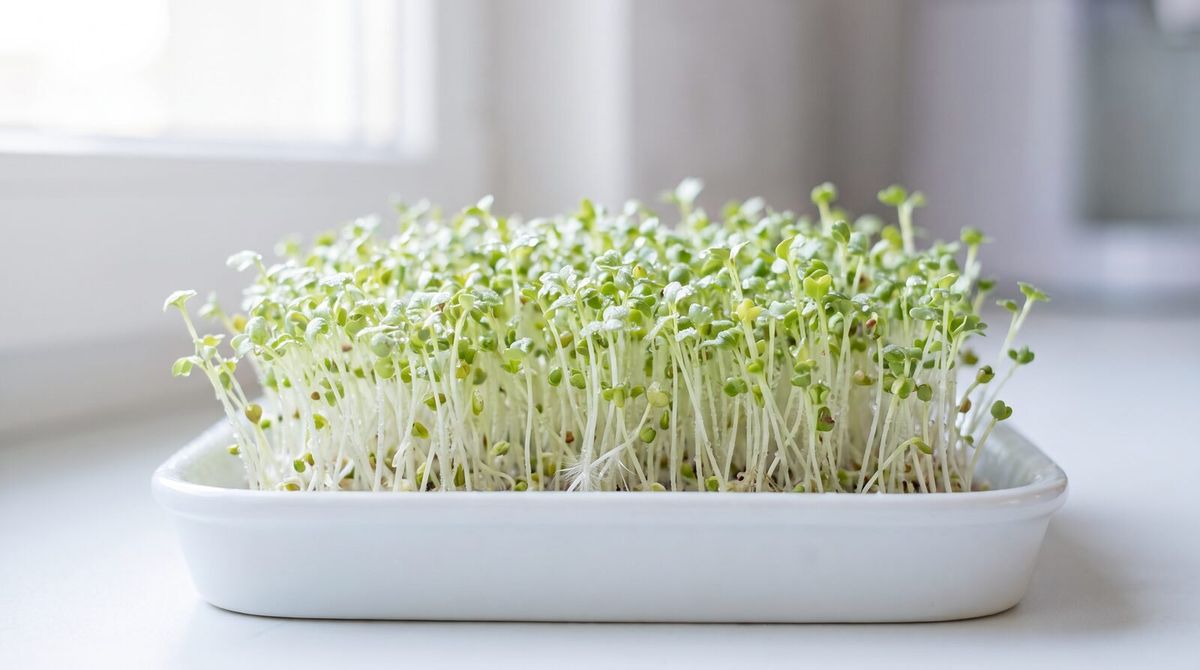
Most antioxidants work once. They neutralize a damaging molecule, and then they’re used up.
Sulforaphane does something more useful. It switches on your cells’ own protective and detoxifying machinery, so your body makes its own defenses.
Scientists call that switch NRF2. It controls roughly 200 of your genes.
That’s why one molecule from broccoli shows up in 6 areas of health at once. It’s one switch, working in 6 places.
Sulforaphane was first isolated from broccoli at Johns Hopkins in 1992. With 3,000+ published studies, it’s the single most studied molecule in longevity.
It’s one switch, working in 6 places.
Here are the 6 things it does for you.
1. Longevity
Calms chronic inflammation, the biggest driver of aging.
A short burst of inflammation is how your body heals. The trouble is the low-level kind that never switches off.
You can’t feel it. Year after year, it wears on your blood vessels, your neurons, your joints and your mitochondria.
Sulforaphane calms it at the source, inside the cell, by switching on your own protective machinery.
In one study, 40 healthy, overweight adults ate 30 grams of broccoli sprouts a day for 10 weeks. 2 markers of inflammation in their blood, IL-6 and C-reactive protein, fell significantly (López-Chillón et al., Clinical Nutrition, 2019).
2. Immunity
Activates antioxidant defenses and NK cell activity.
2 things happen here.
Your cells’ antioxidant defenses go up. And so does the activity of your natural killer cells, or NK cells, the immune cells whose job is to find damaged cells and destroy them.
In a randomized, double-blind study, 29 healthy volunteers took a broccoli sprout preparation or a placebo and were given a nasal flu vaccine. The NK cells of the broccoli sprout group made more granzyme B, a protein they use to destroy their targets (Müller et al., PLoS One, 2016).
3. Heart
Supports flexible vessels and healthy cholesterol.
A stiff artery makes your heart work harder with every beat. Sulforaphane supports vessels that stay flexible.
In 2 double-blind trials with 130 volunteers between them, people ate 400 grams of broccoli a week for 12 weeks. Those given a broccoli high in glucoraphanin, the compound that becomes sulforaphane, lowered their LDL cholesterol by 7.1% in one trial and 5.1% in the other (Armah et al., Molecular Nutrition & Food Research, 2015).
4. Brain
Protects neurons for clarity, memory, and focus.
Your neurons use a lot of energy, and for the most part you don’t get new ones. So it pays to protect the ones you have.
Sulforaphane protects them. That shows up as clarity, memory and focus.
In a 12-week, double-blind trial of 144 healthy adults, the group taking a sulforaphane supplement improved in processing speed, how quickly the brain handles information, compared with the group on placebo (Nouchi et al., Frontiers in Aging Neuroscience, 2022).
5. Energy
Supports mitochondria for clean, stimulant-free energy.
Your mitochondria make your energy, and they take damage doing it. When enough of them are worn down, you feel tired.
Sulforaphane supports your mitochondria. There’s no stimulant involved, so it doesn’t feel like caffeine.
6. Metabolism
Steadies blood sugar, supports insulin sensitivity.
Insulin is the hormone that moves sugar out of your blood. Insulin sensitivity is how well your cells respond to it.
When they respond well, your blood sugar stays steady. Sulforaphane supports that.
In a randomized, double-blind trial, 81 people with type 2 diabetes took broccoli sprout powder or a placebo for 4 weeks. At 10 grams a day, their insulin levels and their insulin resistance both fell significantly (Bahadoran et al., International Journal of Food Sciences and Nutrition, 2012).
How much it takes to get these benefits
The published studies that show significant health benefits of sulforaphane use between 30 mg and 70 mg per day.
You won’t get there from dinner. Sulforaphane forms when 2 things in broccoli meet, a compound called glucoraphanin and an enzyme called myrosinase, and cooking greatly reduces the amount of sulforaphane you get from broccoli.
Most supplements don’t get you there either.
In October 2024, IEH Laboratories measured how much sulforaphane 21 supplements deliver per serving. 20 were bought at retail and tested alongside BROQ.
11 of the 20 delivered less than 1 mg per serving. 7 of those came in below the smallest amount the lab reports.
The testing was commissioned and paid for by the maker of one of the twenty-one products. The lab reports are published.
See the lab results for all 21 products
The product that came first
BROQ delivered 25 mg of sulforaphane per serving in that test, measured in the finished capsule. More than double the sulforaphane of 18 of the 20 other brands tested.
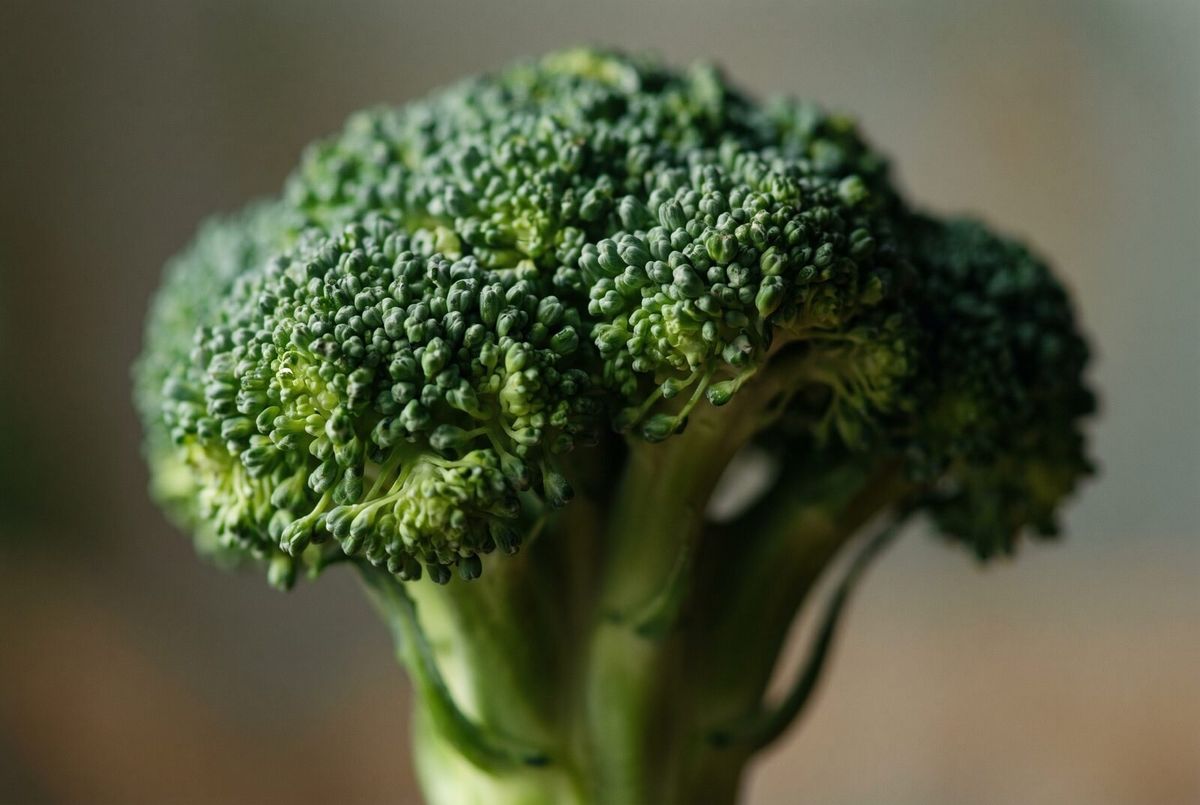
Unlike most sulforaphane brands, BROQ’s capsule opens in your intestines, not your stomach, so the ingredients aren’t destroyed by stomach acid before your body absorbs them.
One serving has as much sulforaphane as 3.5 pounds of raw broccoli.
The directions allow up to 3 servings a day, and 2 puts you at 50 mg, the middle of the range the studies used.
What to remember
Sulforaphane does one thing inside your cells, and 6 benefits follow: longevity, immunity, heart, brain, energy and metabolism.
It works best taken every day, at the 30 to 70 mg the studies used.
So before you buy any sulforaphane supplement, find out how much a serving delivers. A lab result for the finished product will tell you.
Sources
- Zhang Y, Talalay P, and colleagues, Proceedings of the National Academy of Sciences, 1992. The isolation of sulforaphane from broccoli at Johns Hopkins.
- López-Chillón MT, and colleagues, Clinical Nutrition, 2019. 40 healthy, overweight adults, 30 grams of broccoli sprouts a day, 10 weeks.
- Müller L, and colleagues, PLoS One, 2016. 29 healthy volunteers, a broccoli sprout preparation or a placebo, with a nasal flu vaccine.
- Armah CN, and colleagues, Molecular Nutrition & Food Research, 2015. 2 trials, 130 volunteers, 400 grams of broccoli a week, 12 weeks.
- Nouchi R, and colleagues, Frontiers in Aging Neuroscience, 2022. 144 healthy adults, a sulforaphane supplement or a placebo, 12 weeks.
- Bahadoran Z, and colleagues, International Journal of Food Sciences and Nutrition, 2012. 81 people with type 2 diabetes, broccoli sprout powder or a placebo, 4 weeks.
- IEH Laboratories, lab reports on 21 sulforaphane supplements, October 2024. The testing was commissioned and paid for by the maker of one of the twenty-one products.
- See the lab results for all 21 products
Brands have paid for promotional consideration in these articles.