SpermidineBuyer’s Guide
A lab measured 6 spermidine supplements. Only one delivered a full 20 mg.
20 mg meets or exceeds the dosage in every major study linking spermidine to a longer life. One serving of these 6 products held anywhere from 21.9 mg down to 0.7 mg.
Brands have paid for promotional consideration in these articles.
If you take spermidine, you’re trusting the label to tell you how much is in the capsule.
In September 2026, an independent 3rd-party lab checked. It measured the spermidine in 6 products, each one a retail package that reached the lab unopened.
The testing was commissioned and paid for by the maker of one of the six products tested.
The labels and the lab didn’t always agree.
One product is labeled at 8 mg and measured 19.0 mg. 2 labels don’t say how much spermidine is inside at all, and one of them delivered 0.7 mg per serving.
The full results are below, with who each product is best for.
Why the label isn’t enough
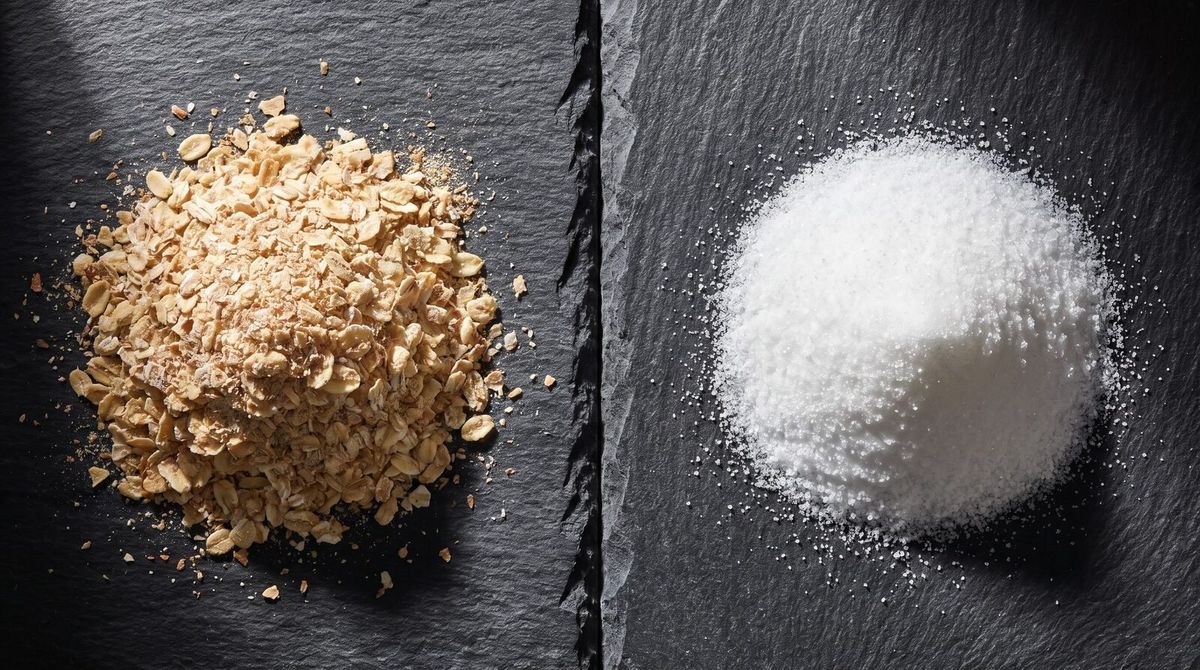
Most spermidine supplements use wheat germ extract: a big capsule of plant material where only about 1% of the active ingredient is actual spermidine.
That matters in 3 ways.
It takes a lot of extract. At about 1%, a full gram of extract holds about 10 mg of spermidine.
The dose moves. Plant extract varies from batch to batch. What you took in March isn’t necessarily what you take in September.
Everything else comes along. Wheat germ is wheat, so gluten and allergens arrive with the molecule you wanted.
Some wheat germ labels also give only the weight of the extract.
That tells you how much wheat germ is in the capsule, and nothing about the spermidine.
How the 6 were compared
Every product here is judged on the same 3 points.
What the lab measured. Milligrams of spermidine in one serving. A serving is whatever each brand’s own label says it is.
What the label says. The spermidine per serving the package states, where it states one.
What it takes to reach 20 mg. How many capsules a day that comes to.
The yardstick is 20 mg for a reason.
Your body uses spermidine to launch autophagy, which is how every cell takes out its own trash. In a landmark 20-year study comparing 146 compounds, spermidine had the strongest link to a longer life of any nutrient measured (Kiechl et al., American Journal of Clinical Nutrition, 2018).
20 mg meets or exceeds the dosage in every major study linking spermidine to a longer life. Some protocols call for 40 mg.
What the lab found
The lab’s reports are dated September 17, 2026.
| Product | Label says | Lab measured, per serving |
|---|---|---|
| SPMD-99 | 20 mg | 21.9 mg |
| Renue By Science Liposomal Spermidine | 8 mg | 19.0 mg |
| Nutricost Spermidine Wheat Germ Extract | Not stated | 11.0 mg |
| Double Wood Spermidine 10 mg | 10 mg | 10.4 mg |
| OMRE Spermidine Wheat Germ Extract | 10 mg | 9.4 mg |
| Longevity Labs spermidineLIFE | Not stated | 0.7 mg |
“Not stated” means the label gives only the weight of the wheat germ extract, not how much spermidine is in it.
The testing was commissioned and paid for by the maker of one of the six products tested. The full lab reports are published.
3 things stand out.
Only one product delivered a full 20 mg. SPMD-99 measured 21.9 mg per serving, more than its own label promises. Double the spermidine of 4 out of the 5 top competitors tested.
The exception is Renue By Science. Its label says 8 mg and the lab measured 19.0 mg.
Going by labels alone, it would sit near the bottom of this list. Measured, it’s second.
And 2 labels leave the number out. Some wheat germ brands don’t say on the label how much spermidine is inside.
One of them, Longevity Labs spermidineLIFE, delivered 0.7 mg. The other, Nutricost, delivered 11.0 mg.
The 6, one by one
1. SPMD-99
- Lab measured
- 21.9 mg per serving (2 capsules)
- Label says
- 20 mg
- To reach 20 mg
- 1 serving (2 capsules)
Pure spermidine, not wheat germ extract. The label lists it as 99+% pure spermidine, with no wheat, no gluten, and free from the 9 major allergens.
It’s the highest of the 6, and the only one that gets you to 20 mg in a single serving. It has 3 ingredients in a plant-based capsule: spermidine, organic acacia fiber and organic rice hulls.
Some protocols call for 40 mg, so it’s built to be taken once or twice a day.
Best for: anyone who wants 20 mg of pure spermidine in one serving, and anyone who needs to avoid wheat.
See SPMD-99, the product at the top of the table
2. Renue By Science Liposomal Spermidine
- Lab measured
- 19.0 mg per serving (2 capsules)
- Label says
- 8 mg
- To reach 20 mg
- 1 serving gets you to 19.0 mg
The surprise of the group. Its label says 8 mg and the lab measured 19.0 mg, about a milligram short of 20 mg.
That’s good news if you want a strong dose. If you’re building up slowly, keep the lab figure in mind as well as the label.
Best for: someone who wants a liposomal capsule and a dose near the top of the table.
3. Nutricost Spermidine Wheat Germ Extract
- Lab measured
- 11.0 mg per serving (3 capsules)
- Label says
- Not stated
- To reach 20 mg
- 2 servings (6 capsules)
Third of the 6, and ahead of OMRE and spermidineLIFE, which are also wheat germ extracts.
The label gives the weight of the extract and leaves the spermidine out, so the lab figure is the only number there is. The serving the lab tested weighed 1.763 grams and held 11.0 mg of spermidine.
Because it’s wheat germ, it isn’t one for anyone avoiding wheat or gluten.
Best for: someone who already buys the brand, is fine with wheat germ, and doesn’t mind 6 capsules a day to reach 20 mg.
4. Double Wood Spermidine 10 mg
- Lab measured
- 10.4 mg per serving (2 capsules)
- Label says
- 10 mg
- To reach 20 mg
- 2 servings (4 capsules)
The closest match between label and lab of the 6. It says 10 mg, and the lab found 10.4 mg.
It’s half the dose at the top of the table, so 20 mg means 2 servings a day.
Best for: someone who wants a moderate dose, from a product whose label and lab result matched.
5. OMRE Spermidine Wheat Germ Extract
- Lab measured
- 9.4 mg per serving (2 capsules)
- Label says
- 10 mg
- To reach 20 mg
- 2 servings (4 capsules) gets you to 18.8 mg
A wheat germ product that does print its spermidine on the label, and came within a milligram of it.
The serving the lab tested weighed 1.073 grams and held 9.4 mg of spermidine. That’s the wheat germ pattern: about 1%.
Best for: someone who prefers a wheat germ source and wants the spermidine amount printed on the label.
6. Longevity Labs spermidineLIFE
- Lab measured
- 0.7 mg per serving (2 capsules)
- Label says
- Not stated
- To reach 20 mg
- more than 25 servings
A wheat germ extract, and the lowest of the 6 at 0.7 mg per serving. The label doesn’t say how much spermidine is inside.
If you want a small amount of spermidine from a food source, that’s what this is. At 0.7 mg a serving, reaching 20 mg would take more than 25 servings a day.
Best for: someone who wants a small dose from wheat germ and isn’t aiming for 20 mg.
What to check on any spermidine label
Look for the words “wheat germ extract.” If they’re there, expect about 1% spermidine.
Ask what the big number is measuring. A large milligram figure on the front of a wheat germ product may be the weight of the wheat germ.
Look for a stated purity. “99+% spermidine” is a claim that can be checked. “Rich in spermidine” isn’t.
Look for a lab report on the finished capsule. Plant extract varies from batch to batch, and a measurement is what settles it.
Count the capsules it takes to reach 20 mg. In this group, the answer ran from 2 capsules to more than 50.
Sources
Brands have paid for promotional consideration in these articles.