SpermidineList
The 7 proven benefits of spermidine, from a longer life to fuller hair
In a 20-year study comparing 146 compounds, spermidine had the strongest link to a longer life of any nutrient measured. It does one job in your cells, and all 7 benefits come from it.
Brands have paid for promotional consideration in these articles.
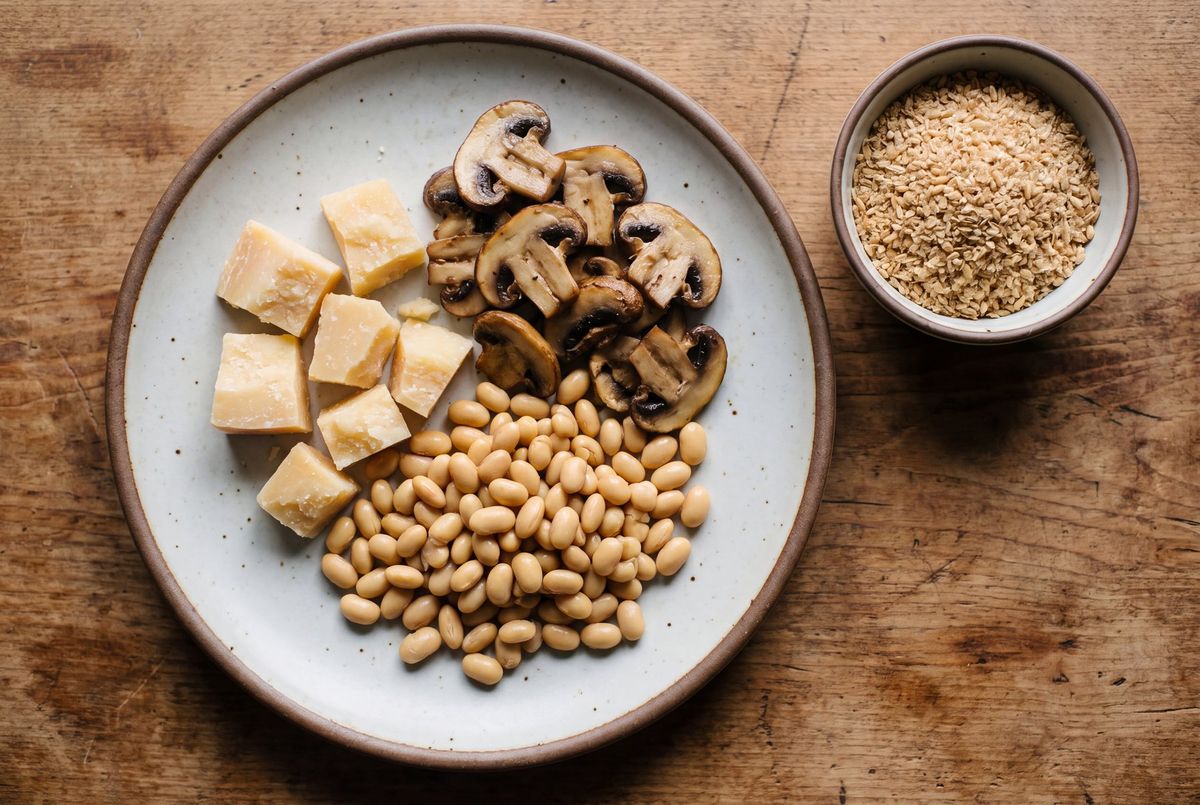
A longer life. Fuller hair. A stronger heart. Firmer skin. A clearer head.
That’s a lot to claim for one molecule. It makes sense once you know that spermidine has one job.
Your body produces spermidine for one reason: to launch autophagy.
Autophagy is how every cell in your body takes out its own trash.
And inside every cell, the junk is piling up. Worn-out proteins. Broken machinery. Cellular debris that piles up faster every year you are alive.
The Nobel Prize was awarded in 2016 for discovering how autophagy works.
Fasting is the famous way to trigger it. Spermidine is another.
Scientists call spermidine a caloric restriction mimetic. Your cells think you’re fasting.
That one cleanup job, done in different parts of your body, is where all 7 benefits come from.
The 7 benefits
1. Longevity
Spermidine ranked first of 146 compounds for its link to a longer life, in a 20-year study of 829 people.
The link was equivalent to nearly six additional years of life (Kiechl et al., American Journal of Clinical Nutrition, 2018).
2. Cellular renewal
Spermidine triggers autophagy, the cellular cleanup fasting is famous for, without skipping a meal.
Fasting works, and fasting is hard.
Fasting and spermidine are more closely tied than they look. In a 2024 study, spermidine rose during fasting in all 4 species tested, humans included.
When researchers blocked it, fasting stopped triggering autophagy (Hofer et al., Nature Cell Biology, 2024).
Have your cake and eat it too. Get the benefits of fasting. Without the fasting.
3. Hair
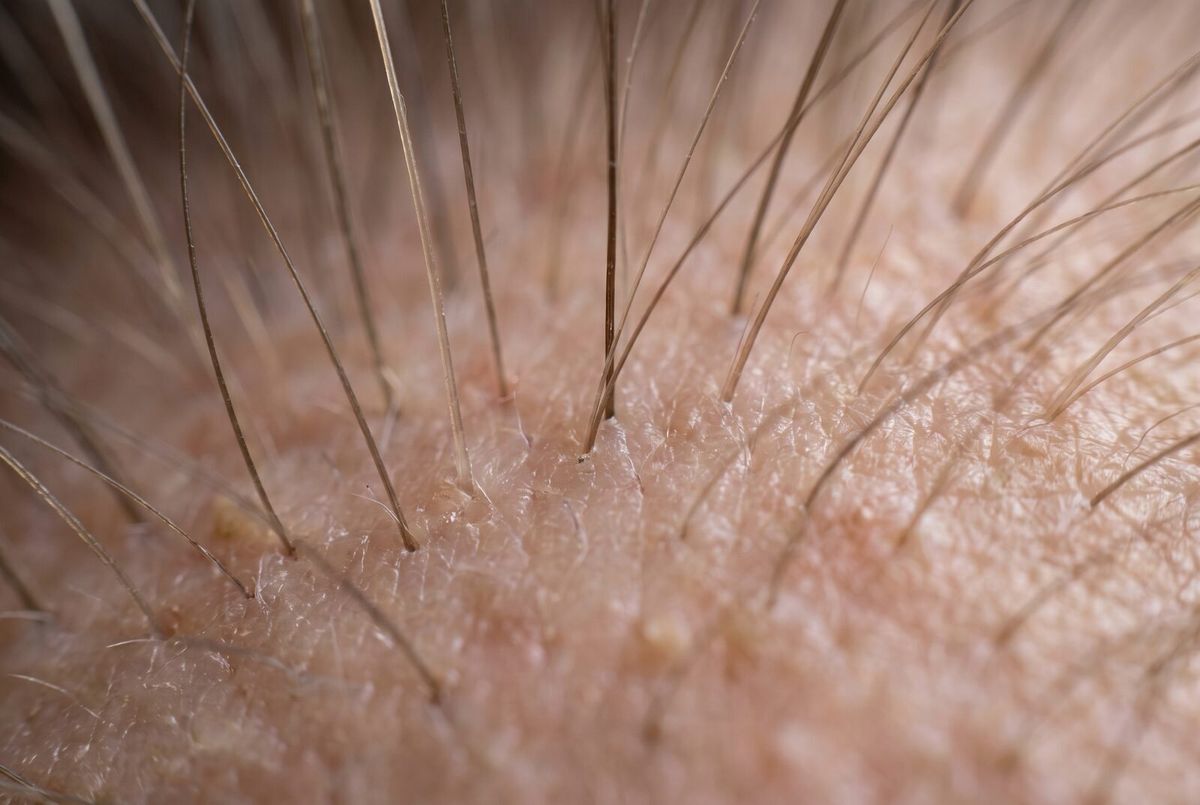
Spermidine drove more follicles into active growth in a placebo-controlled study. Fuller, thicker hair, backed by clinical data.
Your hair follicles have two modes: growing and resting. As you age, more of them rest.
Spermidine drives autophagy directly in the scalp, clearing the oxidative damage that shuts follicles down. In a placebo-controlled 90-day study, it pushed significantly more follicles back into active growth (Rinaldi et al., Dermatology Practical & Conceptual, 2017).
4. Heart
Spermidine helps keep your hardest-working muscle running strong. Higher intake tracks with healthier hearts in population studies. (Eisenberg et al., Nature Medicine, 2016; Han et al., Nutrients, 2024)
Your heart never gets a day off. Autophagy is how its cells clear out their own damaged parts and keep going.
Spermidine keeps heart muscle younger and more elastic.
5. Skin
Spermidine drives collagen production and strengthens the moisture barrier that keeps skin firm and elastic. (Kim et al., Communications Biology, 2021)
The same renewal builds dense, resilient nails and protects your skin’s collagen matrix, keeping it tight, hydrated, and elastic.
Fuller hair. Stronger nails. Firmer skin. One molecule behind all of it.
6. Brain
Spermidine crosses the blood-brain barrier and clears the toxic protein buildup that clouds thinking and memory. (Wirth et al., Cortex, 2018; Schroeder et al., Cell Reports, 2021)
There’s a modern side to this one. Microplastics have been detected in the blood of 77% of healthy adults (Leslie et al., Environment International, 2022).
Based on recent research, you’re likely carrying about 7 grams of microplastics in your brain: the weight of a plastic spoon (Nihart et al., Nature Medicine, 2025).
When your cells detect nanoplastics, the smallest plastic particles, they try to clear them using autophagy. But plastics jam the system.
The recycling machinery stalls, mitochondria get damaged, and inflammation spikes.
Spermidine keeps the autophagy going, isolating the plastic particles and continuing the cleanup. It acts as a cellular shield to the toxic cascade ignited by microplastics.
7. Immunity
Spermidine reversed declining immune function and reduced chronic inflammation in a recent clinical study. (Alsaleh et al., Aging Cell, 2026)
Like the other 6, it comes back to the same job: clearing out what’s worn out, so your cells can keep working.
What to check before you buy spermidine
Most spermidine supplements use wheat germ extract: a big capsule of plant material where only about 1% of the active ingredient is actual spermidine.
That means a lot of extract for a little spermidine, with wheat’s gluten and allergens along for the ride. It also means the amount in the capsule is worth checking.
In September 2026, an independent 3rd-party lab measured the spermidine in 6 products. One serving held anywhere from 0.7 mg to 21.9 mg.
The testing was commissioned and paid for by the maker of one of the six products tested. The full lab reports are published.
All 6 results are in our guide to the spermidine supplements the lab measured.
How SPMD-99 compares
SPMD-99 measured highest. It came in at 21.9 mg per serving, more than its own label promises.
Double the spermidine of 4 out of the 5 top competitors tested.
It’s pure spermidine, not wheat germ extract: 99+% pure, with no wheat, no gluten, and free from the 9 major allergens.
It’s a good fit if you want a full 20 mg in one serving, or if you need to avoid wheat.
How much, and how to take it
20 mg meets or exceeds the dosage in every major study linking spermidine to a longer life. Some protocols call for 40 mg, so SPMD-99 is built to be taken once or twice a day.
Start with 1 capsule daily with food, then, after a few days, move to 2. For best results, take it every day for a minimum of 4 months and beyond.
It comes with a 180-day money-back guarantee on monthly subscriptions and one-time purchases, and 30 days for a full refund on prepaid 12-month subscriptions. Either way, there’s nothing to send back.
Sources
- Kiechl et al., American Journal of Clinical Nutrition, 2018
- Hofer et al., Nature Cell Biology, 2024
- Rinaldi et al., Dermatology Practical & Conceptual, 2017
- Eisenberg et al., Nature Medicine, 2016
- Han et al., Nutrients, 2024
- Kim et al., Communications Biology, 2021
- Wirth et al., Cortex, 2018
- Schroeder et al., Cell Reports, 2021
- Leslie et al., Environment International, 2022
- Nihart et al., Nature Medicine, 2025
- Alsaleh et al., Aging Cell, 2026
Brands have paid for promotional consideration in these articles.